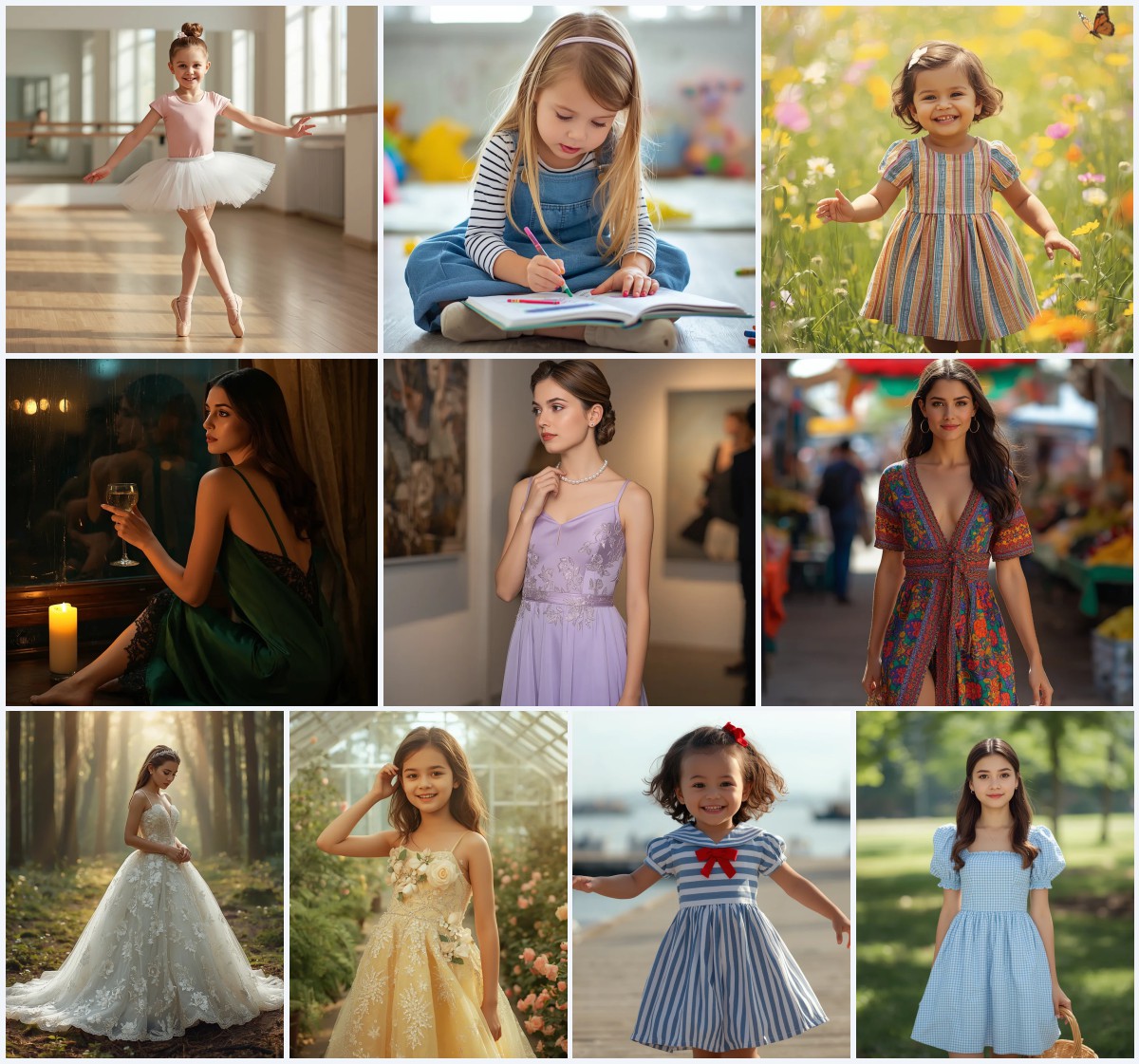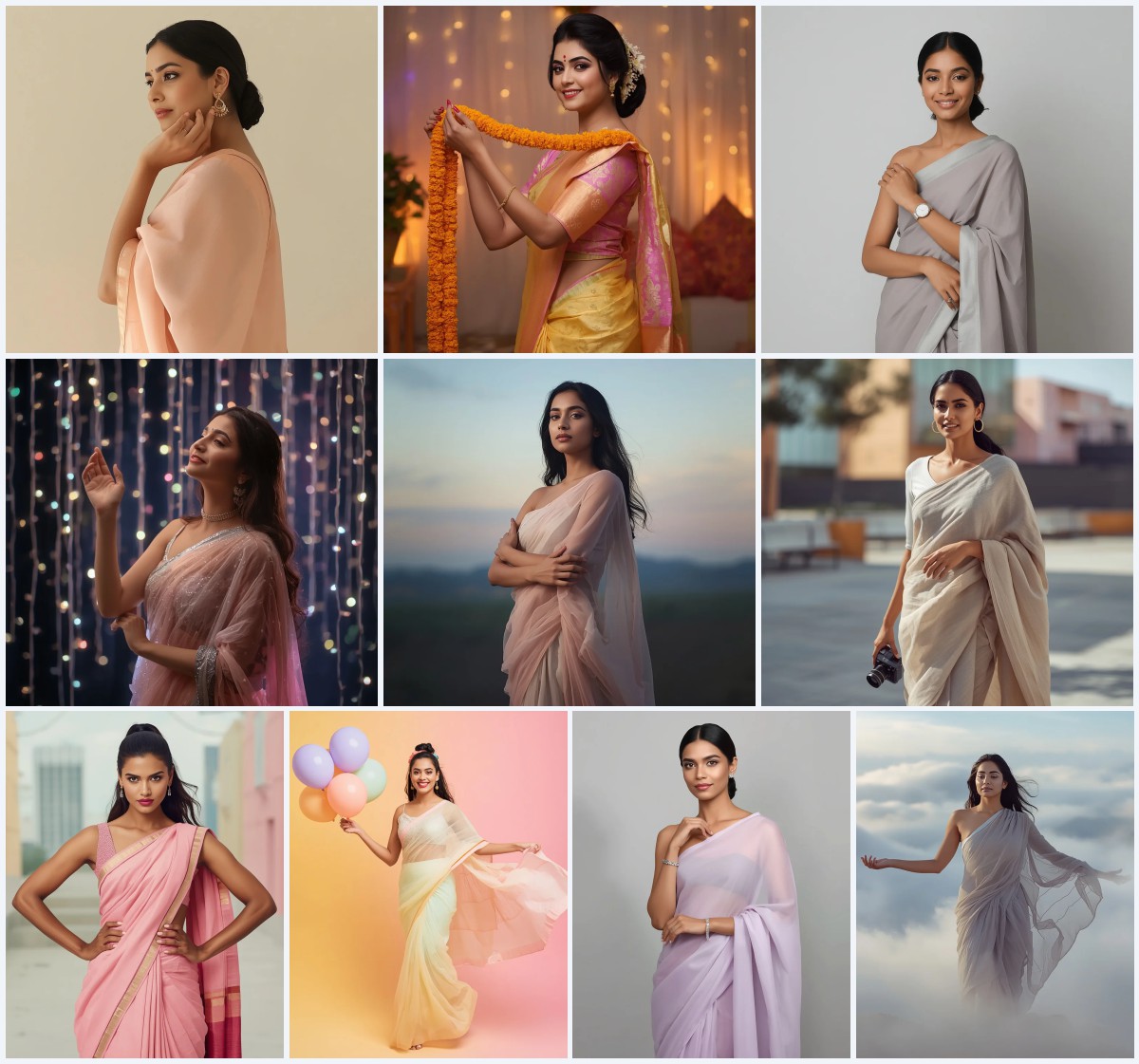


New 10 AI Prompts for Women Influencers with Authentic Lifestyle Shots
This collection brings together ten tailored AI prompts designed for women influencers who want authentic, high-impact lifestyle shots without losing their personal identity. Each prompt uses a reference photo to keep your face, skin tone, and body proportions exact, then drops you into a vivid scene—from a sequined dance floor to a quiet library. The goal is editorial-quality realism that feels like a candid moment, not a stiff studio portrait.
We cover everything from a playful gingham picnic to a dramatic tulle gown on a sunset beach. Every prompt is built around a distinct Western fashion look and a setting that tells a story. You will learn what details each prompt asks for, how to style it, which tools work best, and how to avoid common AI fails like mangled hands or mismatched lighting.
What these ten influencer lifestyle prompts are asking for
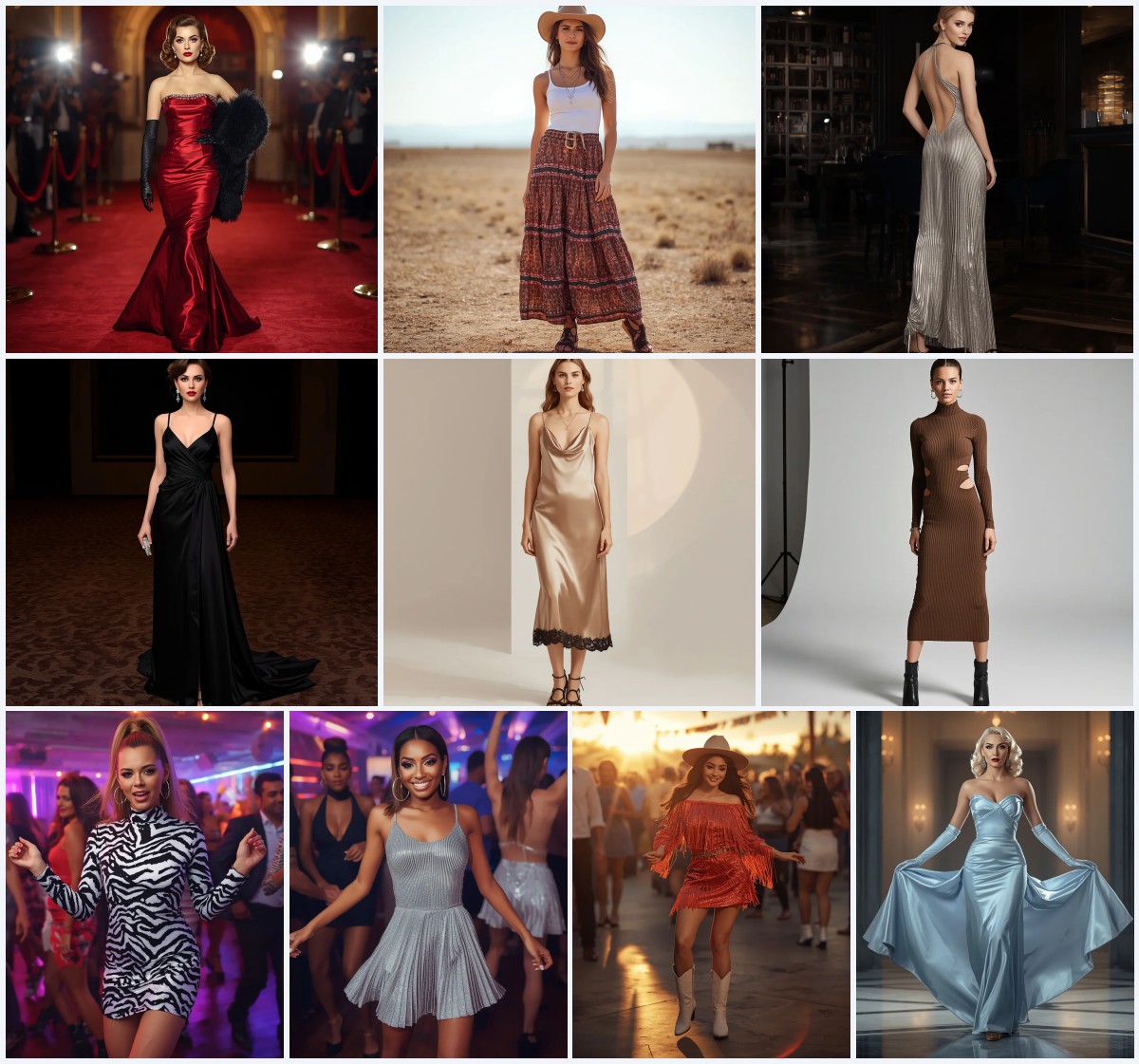
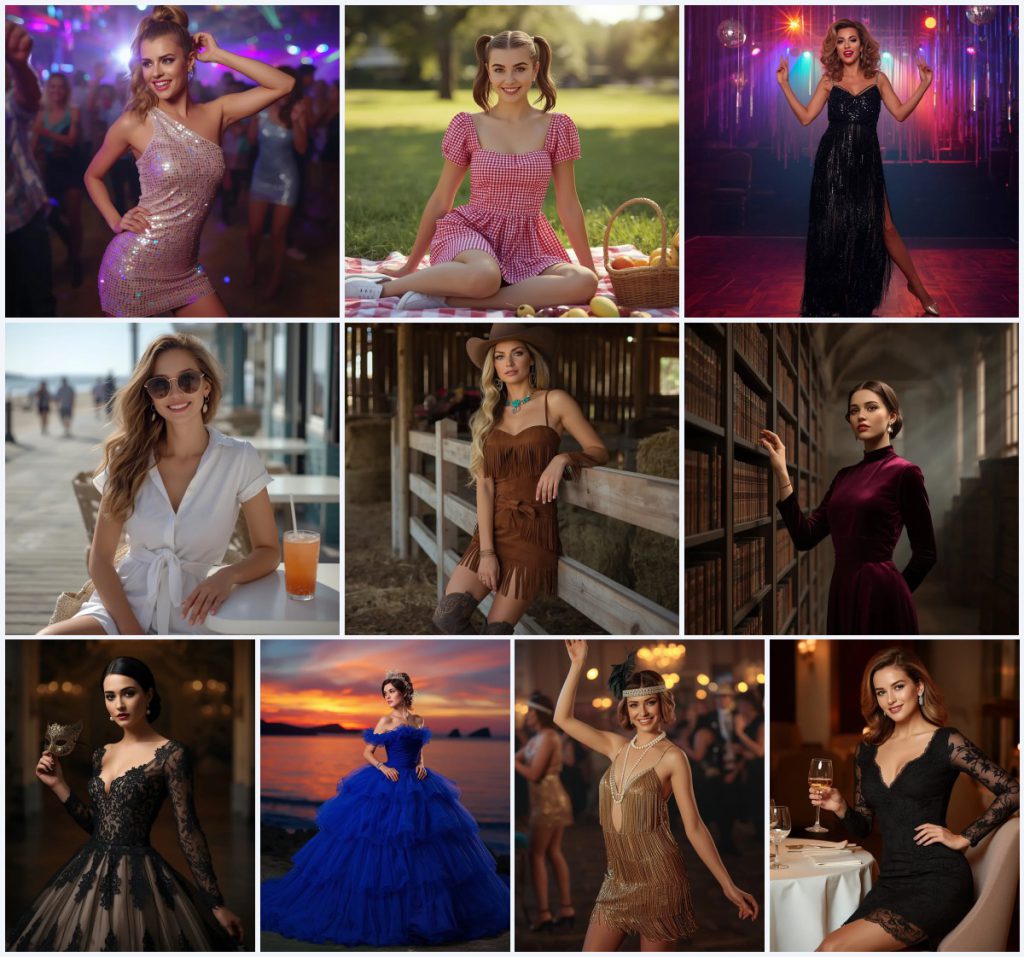
Across all ten prompts, the core instruction is to use an uploaded photo as an exact face and identity reference, preserving facial features, skin tone, hairstyle, expression, and body proportions. Beyond that, each prompt places you in a specific fashion moment: a sequin minidress on a dance floor, a gingham sundress at a picnic, a fringe leather dress in a barn, a velvet maxi dress in a library, and more. The AI is expected to generate an ultra-realistic image that matches the outfit, pose, and environment down to small accessories and lighting conditions.
- Exact face and identity reference from an uploaded photo
- Iridescent sequin minidress with one-shoulder design for the party scene
- Red and white gingham sundress with puff sleeves and white canvas espadrilles for the picnic
- Distressed suede leather dress with fringe and embroidered Western boots for the cowgirl shot
- Deep plum velvet maxi dress with high neckline and long sleeves for the library portrait
- Voluminous royal-blue tulle ball gown with off-shoulder design and glowing flora for the beach scene
The scene each prompt builds around you
The settings are as varied as the outfits. In the party prompt, you are "in the midst of a lively party on a dance floor" with a "dynamic blur of disco lights" behind you. The picnic prompt places you "seated on a picnic blanket spread with a charming basket and colorful fruits" while "blurred green grass, distant trees, and dappled sunlight" complete the frame. For the cowgirl editorial, the scene is a "rustic barn" where you lean "against a wooden fence," and the library portrait uses "towering bookshelf" and "shafts of dust-moted light" to create a quiet, vintage mood.
Other standouts include the masquerade ball gown in a "dimly lit, opulent ballroom" while holding "an ornate mask," and the Roaring Twenties party with a "shimmering gold Western-style fringe dress" and "feathered headband" against "blurred art deco elements." The beach sunset prompt asks for a "panoramic ocean view" with a "sweeping train" of tulle catching the light. Every environment is described with enough sensory detail—"candlelit dinner table," "disco balls and streamers," "luxurious restaurant interior"—that the AI has clear cues for lighting, depth of field, and atmosphere.
Why these prompts work for authentic influencer content
These prompts succeed because they lock your real identity in place while letting the AI handle the fantasy. Instead of generating a random model, the system is forced to keep your facial features, skin tone, and body shape consistent, which builds trust with your audience. The lifestyle settings—picnics, parties, libraries—feel relatable and aspirational at the same time, giving you content that fits both casual and editorial feeds. Finally, the detailed fashion descriptions give the AI enough constraints to produce cohesive, believable images without drifting into generic territory.
- Your exact face and body remain consistent, so the result looks like you, not a stranger.
- Lifestyle backdrops such as a coastal boardwalk café or a historic library add narrative depth that boosts engagement.
- Specific fashion items like a black sequin fringe maxi dress or a crisp white shirt dress prevent the AI from defaulting to bland, generic outfits.
Three style directions inside these prompts
While the collection spans ten prompts, three distinct visual styles run through them. Each style stays within the boundaries of the original prompt text—no hybrid mashups or unrelated aesthetics. The AI is guided by keywords like "ultra-realistic," "vibrant," and "soft lighting" that shape the final look without breaking the scene.
- Ultra-realistic editorial: Prompts like the cowgirl chic and velvet library portrait use 'ultra-realistic fashion editorial' language, emphasizing sharp details, natural poses, and magazine-quality framing.
- Dynamic party glamour: The sequin minidress, fringe gala, and Roaring Twenties prompts call for 'dynamic, colorful lighting' and motion blur, creating a lively, candid nightlife energy.
- Soft romantic lifestyle: The gingham picnic, beach tulle gown, and lace dinner prompts lean on 'soft lighting,' 'warm, ambient lighting,' and 'intimate atmosphere' for a dreamy, approachable feel.
How to generate these influencer images step by step
Start by choosing one prompt from the collection that matches the content you need. The process is straightforward but requires attention to the reference photo and post-generation checks. Follow these six steps for the best results.
- Copy the full prompt text. Select and copy the entire prompt exactly as written, including all clothing, setting, and lighting details.
- Upload your reference photo. Use a clear, well-lit head-to-waist or full-body photo where your face, skin tone, and hair are visible. The AI needs this to lock your identity.
- Paste and generate in your chosen tool. Paste the prompt into ChatGPT, Google Gemini, Leonardo AI, or Midjourney. Attach the reference image if the tool supports image prompts.
- Check the face and body match. Compare the output to your reference. The face shape, skin tone, and expression should be a close match. Regenerate if the AI drifts.
- Inspect hands and fingers. Zoom in on hands—especially if they are raised, holding a mask, or resting on a table. Look for fused fingers, extra digits, or unnatural bends.
- Examine the main outfit and object. Verify that the dress details (sequins, fringe, lace pattern) and key props (picnic basket, wine glass, ornate mask) appear correctly and are not distorted.
What makes a good reference photo for these prompts
Your uploaded photo is the anchor for every image in this collection. If the reference is blurry, poorly lit, or has obstructions, the AI will struggle to map your identity accurately onto the generated scene. A strong reference gives you consistent, recognizable results across all ten prompts.
- Use a front-facing or slightly angled photo with even, natural lighting so the AI can read your facial features and skin tone without harsh shadows.
- Keep your hair visible and unobstructed—if your prompt calls for a high ponytail or pigtails, the AI still needs to see your natural hairline and texture from the reference.
- Avoid heavy filters, sunglasses, or anything covering your face. The AI needs clear eyes, nose, and mouth details to reproduce your expression faithfully in the final image.
Tools that can bring these prompts to life
Different AI image generators handle reference photos and ultra-realistic fashion details with varying success. The table below compares four popular tools based on how well they can execute the specific demands of these influencer prompts, such as preserving facial identity and rendering sequin textures or lace overlays.
| Tool | Access | Typical realism | Useful here for |
|---|---|---|---|
| ChatGPT | ChatGPT Plus with DALL·E integration | High, with strong face-matching when a reference is uploaded | Maintaining exact facial features across the sequin minidress dance floor and gingham picnic scenes |
| Google Gemini | Gemini Advanced with Imagen | Very high, good at photorealistic skin and fabric textures | Rendering the delicate floral lace overlay on the black lace ball gown and sheath dress prompts |
| Leonardo AI | Free and paid tiers, web-based | High, excels at cinematic lighting and detailed environments | Creating the dramatic sunset beach lighting and the voluminous royal-blue tulle ball gown |
| Midjourney | Paid subscription via Discord | Very high, known for artistic composition and texture detail | Capturing the distressed suede leather fringe dress and rustic barn atmosphere with editorial quality |
Three tips to get the most from these prompts
Small adjustments to how you use these prompts can make a big difference in output quality. These tips focus on real materials and objects named directly in the prompt texts, helping you guide the AI toward more accurate and visually striking results.
- Mention the iridescent sequins explicitly when tweaking the party minidress prompt—adding 'color-shifting under disco lights' helps the AI avoid flat, metallic-looking sequins.
- For the cowgirl chic prompt, emphasize the turquoise statement jewelry and the large ring. These accessories anchor the Western theme and give the AI a focal point beyond the suede leather dress.
- In the Roaring Twenties scene, describe the feathered headband and long pearl necklaces as 'swaying with movement' to prevent them from looking stiff or painted onto the image.
Common issues and how to fix them
Even well-written prompts can produce flawed images. The table below lists four frequent failures you might encounter with this collection and the specific changes you can make to the prompt or your workflow to correct them.
| Issue | What to change |
|---|---|
| Face does not match the reference photo | Strengthen the identity instruction: add 'preserve 100% of my facial structure, eye shape, and lip curve' right after the reference mention. |
| Fringe or sequins look like flat plastic | Add texture cues like 'each sequin catching a different colored light' or 'fringe swaying with motion blur' to force dynamic rendering. |
| Hands are fused or have extra fingers while dancing or holding a mask | Regenerate with a negative prompt like 'no mutated hands, no fused fingers' or switch to a tool with better hand anatomy, such as Midjourney v6. |
| The tulle ball gown appears solid instead of layered and airy | Describe the gown as 'sheer, layered tulle with visible volume and soft transparency' and add 'backlit by sunset' to enhance the fabric's lightness. |
Frequently Asked Questions
Can I use these prompts without uploading a reference photo?
Yes, but the result will not look like you. The prompts are built around face and identity preservation, so skipping the reference will give you a generic model. If you want an anonymous fashion image, you can remove the identity line, but the authenticity that makes these influencer-friendly will be lost.
Which prompt works best for a dimly lit, moody Instagram post?
The elegant black lace ball gown for a masquerade ball or the sophisticated velvet maxi dress in an old library are ideal. Both specify dim, ambient lighting and intimate atmospheres that create a moody, high-contrast look perfect for a dramatic feed.
My generated image shows the wrong hairstyle—what should I adjust?
First, check that your reference photo shows your hair clearly. Then, in the prompt, add a stronger instruction like 'my hair is styled exactly as in the reference photo, in a high bouncy ponytail' or whichever style the prompt names. If the AI still alters it, try a tool like Leonardo AI that has better hairstyle consistency with image prompts.
Conclusion
These ten prompts give women influencers a flexible toolkit for creating authentic, high-quality lifestyle images that keep their real identity front and center. From a sparkling sequin minidress on a dance floor to a serene velvet maxi dress in a historic library, each scene is designed to feel genuine and visually rich. By following the style guidance, using a strong reference photo, and checking for common AI issues like hand distortion or flat textures, you can produce content that stands out on any platform. The key is to treat each prompt as a starting point—tweak the details, test different tools, and build a visual story that feels unmistakably yours.
Always ensure you have the legal right to edit and use the reference photo you upload, especially if it was taken by a professional photographer.