

New 10 Romantic Couple AI Prompts for Beautiful Cinematic Photography in Cozy Home Settings
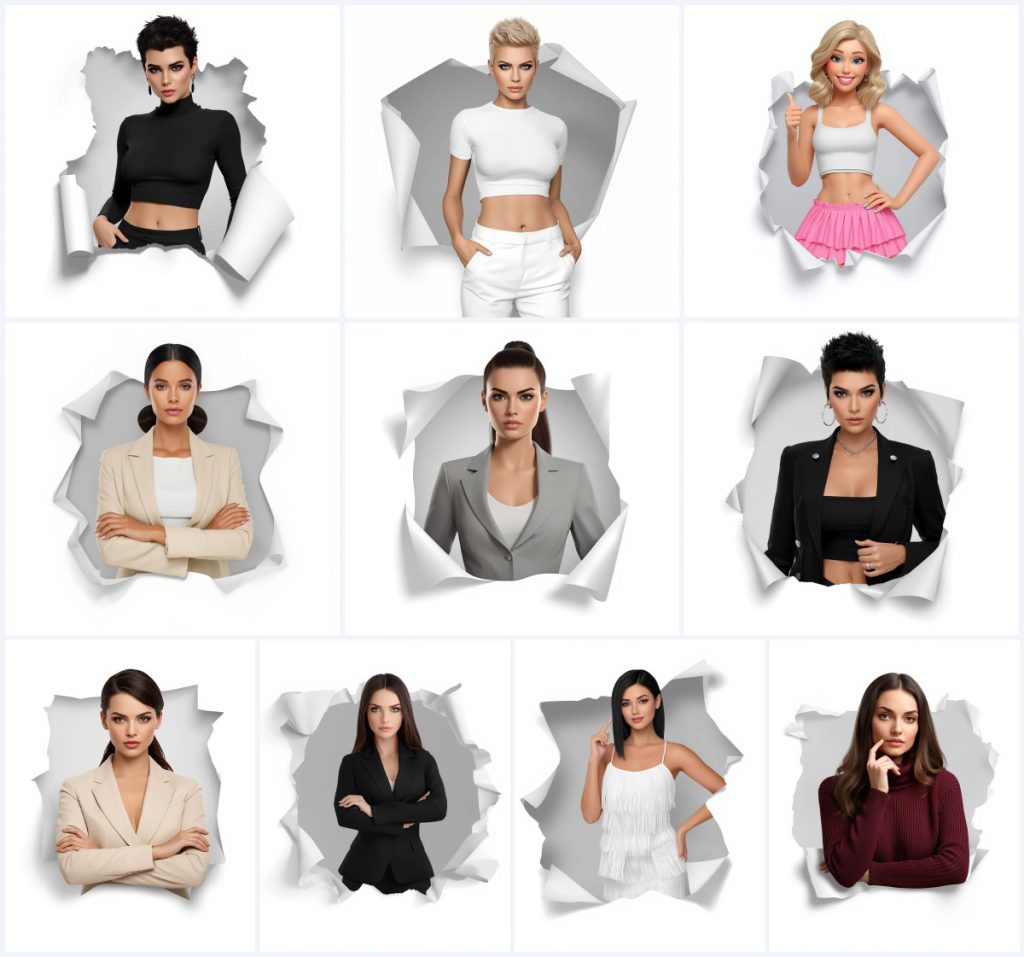
Romantic couple photography doesn't always need grand landscapes or studio backdrops. This collection of ten AI image prompts brings the warmth of cozy home settings into focus, blending intimate interiors with high-fashion portraiture. Each prompt describes a half-body portrait of a striking individual, designed to feel like one half of a couple's editorial shoot, framed by a dramatic torn-paper effect that adds depth and texture.
The shared scene across all ten cards is a stylish indoor environment where soft lighting, neutral walls, and plush textures create a romantic, lived-in atmosphere. Whether it's a woman in a black cropped top exuding edgy confidence or a serene figure in a cream coat, every image is united by the torn-paper hole motif that makes the subject literally pop from the surface. This article breaks down how to bring these cinematic prompts to life, offering practical tips for composition, style, and AI tool settings.
What this romantic couple prompt collection is asking for
These ten prompts share a consistent visual language: a beautiful woman captured in a half-body shot, emerging through a realistic torn-paper hole with ripped edges that wrap around her figure. The torn-paper effect creates a 3D pop-out illusion, making the subject appear to break through a flat surface into the viewer's space. The setting is implied to be a cozy home, suggested by soft, warm lighting and subtle background textures like paper grain or muted wall tones.
- Half-body female portrait with hands visible in expressive poses
- Realistic torn-paper hole with ripped edges wrapping around the figure
- Cozy home setting implied by warm, soft lighting and neutral backgrounds
- Stylish western fashion items like cropped tops, blazers, and knit sweaters
- Expressive facial details: smoky eyes, winks, thumbs-up, or pensive gazes
- 3D depth effect that makes the subject pop from the paper surface
The shared scene behind the torn-paper portraits
The backdrop in every prompt is a cozy, intimate home environment, though it remains deliberately understated. Phrases like "the interior of the torn hole" hint at a softly lit room with paper textures and gentle shadows, suggesting a space filled with personal touches like bookshelves or a comfortable armchair just out of focus. The lighting is warm and diffused, casting a cinematic glow that flatters the subject's features without overpowering the composition.
Key clauses from the prompts reinforce this mood: "a palpable 3D depth that makes her pop from the surface" and "realistic, ripped edges wrapping naturally around her half-body." The torn-paper element itself becomes part of the scene, with its textured interior adding a tactile, handcrafted quality that contrasts with the sleek fashion. This duality—raw paper against polished style—grounds the images in a relatable, romantic domesticity.
Why this torn-paper portrait concept works for romantic imagery
The torn-paper effect elevates a simple portrait into a storytelling device. It suggests emergence, revelation, or a moment caught between two worlds—perfect for conveying the intimacy of a couple's private space. The cohesive style across all ten prompts also makes this set ideal for creating a matching series, such as paired avatars for social media, wedding invitations, or a romantic photo collage.
- The torn-paper frame adds a tactile, editorial feel that stands out from standard portraits.
- Cozy home settings evoke warmth and intimacy, reinforcing the romantic couple theme.
- Consistent half-body framing and fashion details make it easy to generate a visually unified set.
Three visual styles embedded in these prompts
Every prompt in this collection leans into three distinct yet complementary visual styles. The dominant aesthetic is cinematic editorial, with dramatic lighting and sharp focus that mimics high-end fashion photography. This is layered with a pop-art surrealism, thanks to the hyper-realistic torn-paper hole that gives the images a 3D, almost sculptural quality. Finally, a touch of minimalist cozy-core softens the edge, using warm neutrals and simple compositions to keep the focus on the subject.
- Cinematic editorial: Dramatic lighting and sharp focus create a high-fashion look, as seen in the smoky eyes and tailored blazers.
- Pop-art surrealism: The torn-paper hole with realistic ripped edges adds a playful, dimensional twist to each portrait.
- Minimalist cozy-core: Soft, warm backgrounds and simple fashion pieces like the burgundy knit sweater ground the images in homey comfort.
How to generate this romantic torn-paper portrait series
Start by selecting one of the ten prompts, such as "Ultra Chic Woman in a Stylish Black Cropped Top" or "Pensive Woman with Hand on Chin in a Soft Burgundy Knit Sweater." Copy the full text and paste it into your chosen AI image generator. If the tool supports reference images, upload a photo of a cozy interior or a paper-texture sample to guide the background. Generate a batch of four images, then review each for accurate hands, facial symmetry, and the integrity of the torn-paper edges.
- Copy the prompt. Select one prompt from the collection and copy its complete text, including all clothing and expression details.
- Upload a reference image. If supported, add a photo of a warm indoor setting or torn-paper texture to anchor the background style.
- Set aspect ratio and style. Choose a portrait aspect ratio like 3:4 and enable cinematic or realistic style presets in your AI tool.
- Generate initial images. Create a batch of four images to compare lighting, pose, and the torn-paper 3D effect.
- Check hands and face. Zoom in on hands—like the thumbs-up gesture—and eyes to ensure they are natural and undistorted.
- Refine and upscale. Pick the best output, use inpainting to fix any torn-paper edge flaws, then upscale for final use.
Choosing a reference photo for the cozy home torn-paper look
While these prompts work text-to-image only, a reference photo can improve consistency across the series. Use an image that captures the mood you want—soft window light, a neutral wall, or a piece of textured craft paper. Avoid photos with busy patterns or harsh shadows, as they can confuse the AI's interpretation of the torn-paper hole.
- Pick a reference with warm, diffused lighting to match the implied cozy home setting.
- Include a subtle paper texture or a plain wall to reinforce the torn-paper effect without distraction.
- Keep the reference uncluttered; a simple indoor corner or fabric backdrop works best.
AI tools for crafting cinematic torn-paper portraits
Different AI image generators handle the detailed torn-paper effect and fashion elements with varying success. The table below compares four popular tools based on their accessibility, realism, and specific strengths for this collection's prompts.
| Tool | Access | Typical realism | Useful here for |
|---|---|---|---|
| ChatGPT | Free tier available | Moderate to high | Rendering the torn-paper edges with natural wrap-around depth |
| Google Gemini | Free with Google account | High | Capturing the smoky eyes and tailored blazer details accurately |
| Leonardo AI | Free daily credits | Very high | Achieving the 3D pop-out effect with realistic ripped paper textures |
| Midjourney | Paid subscription | Exceptional | Delivering cinematic lighting on the burgundy knit sweater and soft shadows |
Three tips for nailing the torn-paper and cozy-home vibe
Small adjustments in your prompt or tool settings can make a big difference. Focus on the materials and clothing explicitly named in the prompts to maintain authenticity, and use post-generation editing to enhance the tactile quality of the paper tear.
- Emphasize the cropped top or blazer fabric: Add words like "matte black cotton" or "textured cream wool" in your negative prompt to avoid shiny renders.
- Match lighting to the burgundy knit sweater: Request "warm, golden-hour window light" to complement the sweater's cozy, relaxed feel.
- Enhance the torn paper with real textures: After generation, overlay a scanned paper-edge image in Photoshop to sharpen the ripped edges.
Common issues with torn-paper portrait prompts and quick fixes
Even well-crafted prompts can produce flawed results. The table below lists frequent failures specific to this collection and how to correct them without rewriting the entire prompt.
| Issue | What to change |
|---|---|
| Torn-paper edges look flat or painted on | Add 'deep 3D paper layers, realistic cast shadows' to the prompt. |
| Hands appear distorted in poses like thumbs-up | Use inpainting on hands and add 'perfectly formed fingers' to the positive prompt. |
| Facial expression doesn't match the described mood | Strengthen emotion keywords, e.g., 'genuine wide smile' instead of just 'smile'. |
| Background leaks through the torn hole unrealistically | Specify 'solid warm gray interior of torn hole, no outside scenery'. |
Frequently Asked Questions
Can I use these prompts to create a matching couple set?
Yes, the ten prompts are designed to share a consistent style. Generate two different portraits—like the woman in the black blazer and the woman in the cream coat—and pair them side by side for a romantic diptych.
What if the torn-paper hole doesn't look realistic?
Try adding 'hyper-realistic paper texture, rough ripped edges' to your prompt. In Leonardo AI, use the Alchemy refiner; in Midjourney, increase the stylize value to 700 for more detailed paper rendering.
Can I change the clothing in these prompts?
Absolutely. The cozy home setting and torn-paper effect remain intact even if you swap the burgundy knit sweater for a cardigan or the cropped top for a silk blouse. Just keep the fashion description detailed.
Conclusion
This collection of ten romantic couple AI prompts proves that cinematic photography can thrive in the comfort of a cozy home. The torn-paper motif adds an artistic, dimensional twist to each portrait, while the consistent half-body framing and warm lighting create a unified series perfect for couple-themed projects. By following the tips on reference photos, tool settings, and common issue fixes, you can generate stunning images that feel both editorial and deeply personal. Experiment with pairing different prompts to build your own visual love story, one torn-paper layer at a time.
Remember to only edit a photo you have the legal right to modify, such as your own images or properly licensed stock photos.